
Unfolding Roadblocks in Recovery Debt in India
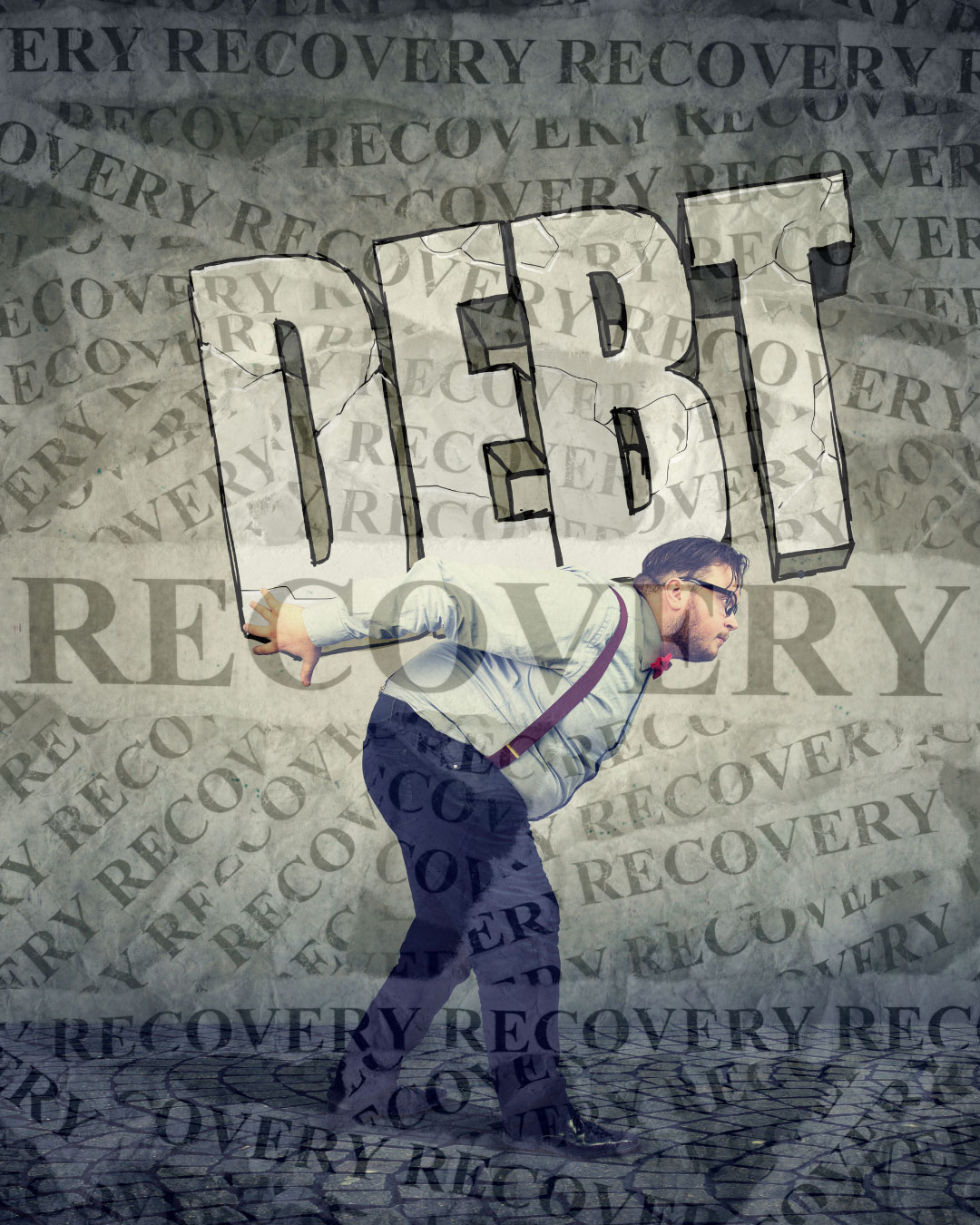
The crisis of recovery of debts of banks and financial institutions (“Lenders”) is not a new phenomenon; in other words, default is as old as debt itself. Various steps have been taken by the Reserve Bank of India (“RBI”) and the Ministry of Finance, Government of India (“MOF”) to make improvements from time to time with respect to the recovery mechanism by framing and revising recovery laws to speed up the recovery process for recovery of debt.
Judicial and Administrative roadblocks
Despite the best possible measures taken by MoF and RBI to address the problems of delayed recovery of debts, all such efforts failed to yield desired results due to various reasons including judicial and administrative road blocks faced by the Lenders, primarily attributable to old mindsets (e.g civil court approach) of the majority of the judges/ members of tribunals/ officials of registries and their limited capacity to manage recovery applications at a desirable pace. It is also not out of place to say that even the poor management of records by the Lenders of financing documents results in delayed in drafting of recovery applications and further the lack of understanding by the Lenders’ lawyers of the nature of financial transaction, consumes a lot time for expediting the recovery of debt from courts/tribunals. This is also compounded by the fact that some lawyers take repeated adjournments for proper understanding of the financing documents before concluding evidence from Lenders’ side.
Observations & Suggestions made by Raghuram Rajan
The former RBI Governor Mr. Raghuram Rajan in his book “I do What I do” rightly pointed out that the area of resolution of distress in banking sector we made the least progress, despite the involvement of the best and the brightest in the RBI, was in getting the banks to recognise financial distress and deal with it. This was also the area where the prevailing mindset was shaped most by the existing weak institutional structure, making changes very hard without changing institutions. Mr Rajan also suggested a number of solutions for recovery management like (i) Creation of a Centralised Database of Defaulters to track large borrowers and prevent evergreening of loans; (ii) Strengthening Asset Reconstruction Companies (ARCs) to improve capitalisation and giving them more operational flexibility; (iii) Improved Coordination Among Regulators and Banks: Proposed setting up frameworks such as the Joint Lenders’ Forum (JLF) and Corrective Action Plan (CAP) to ensure collective decision-making in large loan recoveries; and ( iv) reducing Political and Bureaucratic Interference by taking quick recovery decisions to be made on commercial grounds, not influenced by political or administrative pressure. All such suggestions, if implemented properly by Lenders, would result in early recovery.
Fast Track Debt Recovery Mechanism
In order to remove the roadblock of lengthy procedure of civil courts for adjudication of debt, the Debt Recovery Tribunals (“DRTs”) were set up in accordance with provisions of the Recovery of Debts and Bankruptcy Act, 1993 (as it is presently known), as amended by time to time (“RDB Act”) for purpose of fast track recovery mechanism, pursuant to which all pending cases before the Civil courts or High Courts (as per the pecuniary jurisdiction stipulated) were transferred to the respective DRTs having jurisdictions over the matters.
Civil Court Mindset
The lack of infrastructure in DRT including staff etc. and the civil court mindset of the Presiding Officers (“POs”) and Registrars failed to achieve the purpose and object of setting up DRTs. The whole approach of POs for deciding issues while disposing any application in DRT is based on their experience in civil matters. Most of the time the POs’ precious time is being wasted for granting adjournments and not able to devote time to hear matters with quality attention. The daily listed matters are regularly discharged without hearing in the matters as taking up such matters is beyond the capacity of POs’. In many cases the POs are not able to pronounce orders in Reserved For Orders matters even after hearing is completed owing to shortage of stenographers and other staff. Many times, POs are transferred without passing an order and incumbent PO requires a fresh hearing in the already heard matters. In such a situation time and money both are wasted. In my view the PO who heard the matter should not be allowed to be relieved till orders in the Reserved For Orders matters are pronounced by the Presiding Officer, so that fresh hearing in Reserved For Orders may be avoided.
Time Consuming Procedure
DRTs were supposed to be bankers’ friendly institutions and only banks and financial institutions are allowed to file an application for recovery of debt before the DRT. DRTs are not governed by the Code of Civil Procedure, 1908 (“CPC”) but can apply its provisions where it is necessary to understand and resolve the issue in the interest of justice while providing remedy to the parties. As per Section 22 of the RDB Act, DRTs/DRATs shall not be bound the procedure laid down by the CPC, but shall be guided by the principles of natural justice and, subject to the other provisions of the RDB Act and of any rules, the DRTs/DRATs shall have powers to regulate their own procedure including the places at which they shall have their sittings.
Improvement through Artificial Intelligence (“AI”)
The present situation could be improved including from filing of recovery application till enforcement of RC by using modern technology like Artificial Intelligence (“AI”). Probably, the system driven registry works with less intervention of human element and may improve efficiency in fast numbering/registration of cases and faster and efficient listing of cases before POs, pronouncement of Recovery Certificate and execution of the RC’s in shortest possible time.
Services of Summons
For speedy recovery, in addition to improvement in infrastructure and competency and capacity of POs and registry staffs, the procedure for managing the process for service to the defendants and prove of claim by the Lenders needs to improve. The major delay is associated in the service to the defendants. Generally, notices are served to the defendants on the last known addresses by the Lenders. Many times, either defendants are not available or offices are found to be closed or no one receives such notices at those addresses. Then DRT issues order to publish the same in newspapers accordingly. Such a procedure is neither cost effective nor achieve the objective of fast-track recovery mechanism within a stipulated time frame. In order to avoid the delay in service of notices, the Lenders may stipulate the conditions at the time when the lending documents are executed that the defendants should appoint Service Agent (may be law firms or professional service agent or their financial advisor) and such agent should not change their addresses without prior approval of Lenders. In case their addresses change without the approval from the lenders the notices sent to their addresses may be treated as deemed service under law. Such a procedure may save substantial time in the service process.
Interim Relief
Generally, interim reliefs as prayed for by the Lenders before DRT are to restrain defendants or its agents for selling, transferring their assets including hypothecated and mortgaged assets etc. In my view, appointment of the receiver, in terms of Section 19 (18) of RDB Act by the Presiding Officer, for taking possession of the assets of borrower/ guarantors as an interim measure and such an order would ensure the presence of all Directors before DRT for early resolution of recovery of debt and defendants may not be in position intentionally avoid service of notices / summons.
Delay in Proving Claim
Based on my personal experiences, the delayed problem in recovery mechanism is not only contributed in DRT mechanism but Lenders also failed to maintain proper ledger and clearly indicate the Principal Amount, Applicable Rate of Interest, Further Interest, Liquidated Damages, Penalty etc. in accordance with RBI Guidelines and guidelines as laid down by the Supreme Court in matter of Ravindra v. Central Bank of India (2002) 1 SCC 367. If the ledger entries of the borrower is correctly maintained as per law, there is presumption in law that the outstanding amount as reflected in the Ledger of the Lenders is correct in accordance with the Bankers Books Evidence Act, 1891 though may not be conclusive evidence but burden of proving such entries may be wrong or incorrect on the defendants. As per Section 4 of the said Act, a certified copy of any entry in a banker’s book shall in all legal proceedings be received as prima facie evidence of the existence of such entry, and shall be admitted as evidence of the matters, transactions and accounts therein recorded in every case where, and to the same extent as, the original entry itself is now by law admissible, but not further or otherwise. The definition of Bankers’ books is wide and includes ledgers, day-books, cash-books, account books and all other records used in the ordinary business of the bank, whether these records are kept in written form or stored in a micro film, magnetic tape or in any other form of mechanical or electronic data retrieval mechanism, either onsite or at any offsite location including a back-up or disaster recovery site of both.
Six Months’ Time Limit
The DRTs were required to issue recovery certificate within six months from the date of filing of recovery application by the Lenders. However, in practice getting a recovery certificate (“RC”) within three years from the date of filing is a distant dream especially in cities like Mumbai and Delhi due to procedural delays as well as overburdened DRTs and Registry. In my understanding of law, the RDB Act needs to be interpreted in the light of recovery of public money rather than too much emphasis on procedural defects of the original application filed by the Lenders. In fac, DRT is now become more of procedural tribunal rather than to decide the substantive aspect of recovery of debt. The intention and purpose of stipulation of Six months’ time limit is to treat the DRT as the summary court, where the borrower and guarantors need to prove that the debt is not due and payable to the Lenders within fixed time limit otherwise their right to defence may not available unless 75% of the principal amount as per Leger of Lenders deposited with DRT. Such an approach may bring discipline in the recovery mechanism of public money.
In order to improve the timeline for issuance of RC through DRT Mechanism, it is suggested that the default as determined under the IBC should also be made applicable to recovery applications filed under RDB Act and the information filed with Information Utilities may be taken into account for determining the default. Such an approach may reduce the timeline for determination of liability of borrower. Accordingly, RDB Act will require suitable amendment.
Bankers’ and Lawyers’ Limitations
Since all lawyers are not well trained in accounting system of banks and financial institutions, they need to understand the terms and system of charging the Applicable Rate of Interest, Further Interest, Liquidated Damages, Penalty and also maintaining of ledger entries as per law before drafting and filing recovery application in consultation with the dealing officer of banks. Such an approach will improve the drafting of original recovery application under section 19 of the RDB Act in such a manner to avoid filing further interlocutory application (“IA”) and affidavit to prove the claim amount.
Further, each financial transaction is different and drafting of recovery application may not be precedent based (based upon earlier base draft of earlier transaction). Therefore, the skill of drafting of recovery application of our lawyers is based upon complete understanding of the financial transaction and documents of each case. In fact, the Bankers’ lawyers need training to understand the lending transaction and their documentation for better understanding of issues before their submission before courts/ DRTs.
Lawyers’ Fee Structure
Lenders need to review the fee structure of lawyers/ law firms based on the nature of transaction and also provide incentive for achieving the milestones in the recovery process so that the lawyers may be motivated to focus on their matters with their own financial interest rather than handling the cases in routine way. In my view the performance of lawyers needs to be monitored on quarterly basis individually, not in group and change the lawyer/firm, if they failed to perform as per agreed terms due their failure to act with prudence in managing the recovery process. In regard to the advocates’ fee, Indian Banks’ Association (“IBA”) should come forward and indicate a minimum fee which is reasonable or even suggest a fee band of minimum and maximum considering merits of each case.
Documents Management
The major roadblock for early filing of recovery application before DRT by lawyers is not receiving relevant copies of the financing and security documents from banks and financial institutions including mortgage related documents, various corporate and statutory compliances records like filing requisite returns in the public offices, namely Registrar of Companies and CERSAI.
Conclusion
Problems faced by Lenders for recovery of debt is not only attributable to delays in courts and tribunals alone and there are many roadblocks which need to be addressed by the Government of India, Judicial Authorities and lawyers including the officials of the Lenders for better management of debt recovery either with or without intervention of the courts and tribunals. In my view, the problem of delay in recovery is also due to human factors and mindsets of all Stakeholders rather than deficiency in statutes for recovery of debt. Blaming courts/ tribunals may not yield solutions but all stakeholders including IBA need to take initiative to remove the deficiencies in the road to recovery of debt even if amendment is required in the RDB Act.
-By ISHTIAQ ALI
Managing Partner of Orbit Law Services
The author has more than 4 decades of experience in recovery of debts both as the inhouse lawyer of public financial institution as well as he is a practising lawyer specialized in banking and finance. In case of any clarifications, please feel free to contact the author at ishtiaq.ali@orbitlaw.co.in
DISCLAIMER:
This is issued in the general interest of our clients. Nothing contained herein is, purports to be, or is intended as legal advice and an independent legal advice should be sought before you act on any information or view expressed herein. No recipient of this write up should construe this alert as an attempt to solicit business in any manner whatsoever.